29 Oct 2026
How Offshore Licensing Shifts Are Redefining Career Paths for Table Game Specialists

Offshore licensing frameworks have undergone notable adjustments in recent years, and these modifications continue to influence where table game specialists can secure employment along with the credentials they must hold to operate in various jurisdictions. Jurisdictions such as Curacao and Malta have updated their compliance standards, which in turn affects dealer mobility and training requirements across interactive and land-based environments. Research from industry bodies shows that specialists now navigate a more fragmented landscape where license approvals hinge on specific operator standings rather than broad regional permissions.
Changes in Regulatory Requirements
Operators holding Curacao licenses face revised due diligence protocols that emphasize ongoing staff certification, and this development forces table game specialists to pursue additional qualifications if they wish to remain eligible for roles in those markets. Data indicates that jurisdictions have introduced staggered renewal cycles, meaning professionals must track multiple deadlines instead of relying on a single annual review. Those who studied this shift observe that specialists often relocate to hubs with stable frameworks, such as the Isle of Man or certain Canadian provinces, because these areas provide clearer pathways for cross-border recognition of dealer training.
October 2026 marks the scheduled rollout of updated compliance modules in several offshore territories, and these modules will require documented evidence of continuous professional development for all table game personnel. Specialists who complete approved courses before that date gain an advantage when applying to operators seeking to meet the new benchmarks ahead of enforcement.
Career Mobility and Specialization Trends
Table game specialists have expanded their skill sets to include knowledge of jurisdiction-specific rulesets, and this adaptation allows them to transition between live dealer studios and hybrid online platforms more fluidly. Observers note that professionals with multi-license experience secure supervisory positions at higher rates than those tied to a single regulatory zone. Figures from gaming associations reveal steady demand growth for bilingual dealers who understand both European and North American procedural variations.
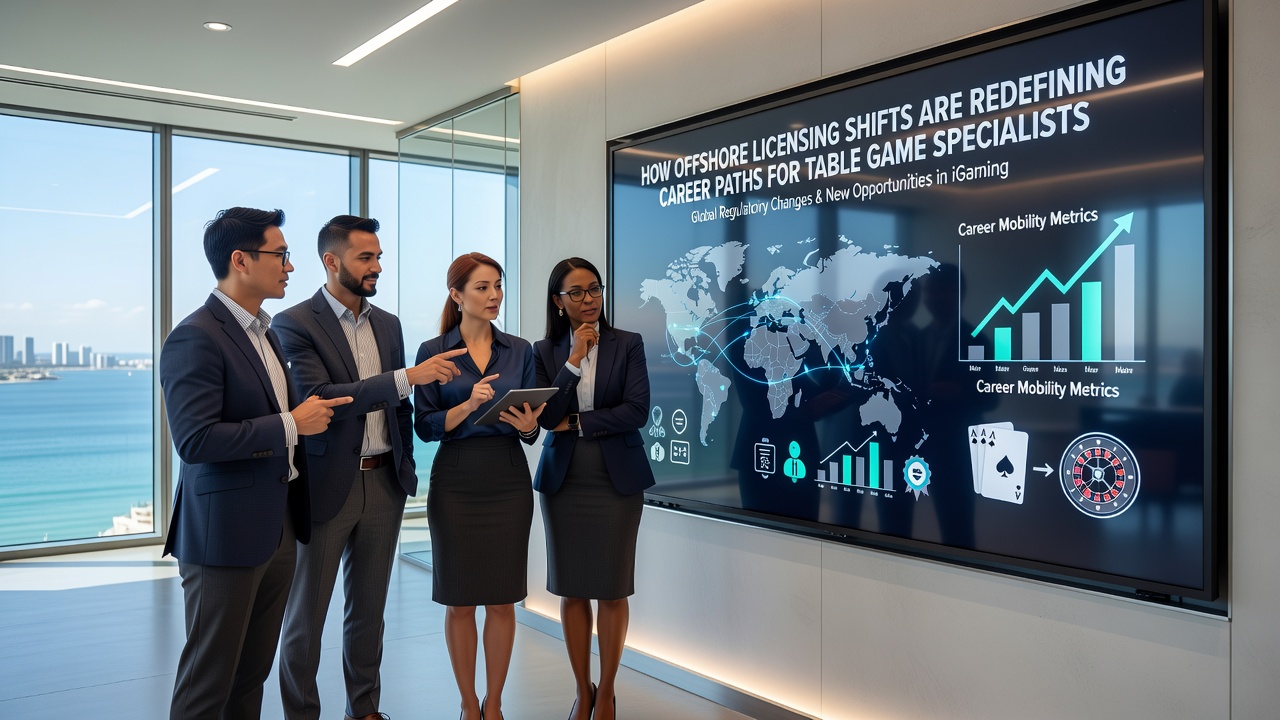
One study revealed that specialists who relocated from Caribbean-based operations to Australian-regulated sites encountered streamlined visa processes when they already held certifications aligned with those markets. Experts have observed similar patterns in European hubs where mutual recognition agreements reduce the need for full retraining. What's interesting is how these agreements create clusters of preferred destinations for career advancement while leaving other regions less attractive due to mismatched standards.
Training and Certification Impacts
Accredited training providers have adjusted curricula to cover offshore licensing nuances, and participants now receive modular credentials that align with multiple authorities rather than generic dealer diplomas. Research indicates that completion rates for these updated programs rose after operators began listing preferred certifications in job postings. Specialists who combine technical dealing skills with regulatory knowledge advance faster, since employers prioritize candidates who can support audit readiness without additional onboarding.
Take one researcher who tracked employment data across five jurisdictions and found that specialists holding dual certifications experienced shorter periods between job placements. This pattern holds because licensing shifts reward versatility over specialization in a single game type or platform.
Industry Data and Future Outlook
Reports from the Malta Gaming Authority document an increase in cross-jurisdictional applications filed by table game professionals between 2024 and 2025. Similar trends appear in analyses issued by the Australian Communications and Media Authority, where mobility statistics show specialists moving toward markets with predictable renewal schedules. These movements reflect broader adjustments in how operators structure their workforce to satisfy evolving license conditions.
Those who've studied this landscape know that October 2026 will likely accelerate the need for specialists to maintain digital portfolios of completed training, since several territories plan to integrate centralized verification systems. Career paths therefore extend beyond traditional dealer roles into compliance support and training coordination positions.
Conclusion
Offshore licensing adjustments continue to reshape employment options for table game specialists by linking job eligibility directly to verified credentials and jurisdiction alignment. Professionals who monitor regulatory calendars and pursue aligned certifications position themselves for sustained opportunities across evolving markets. Data from multiple authorities confirms that mobility remains viable for those who adapt their qualifications to meet staggered compliance deadlines.