15 Oct 2026
Insights into Dealer Retention Within Authorized Gaming Markets
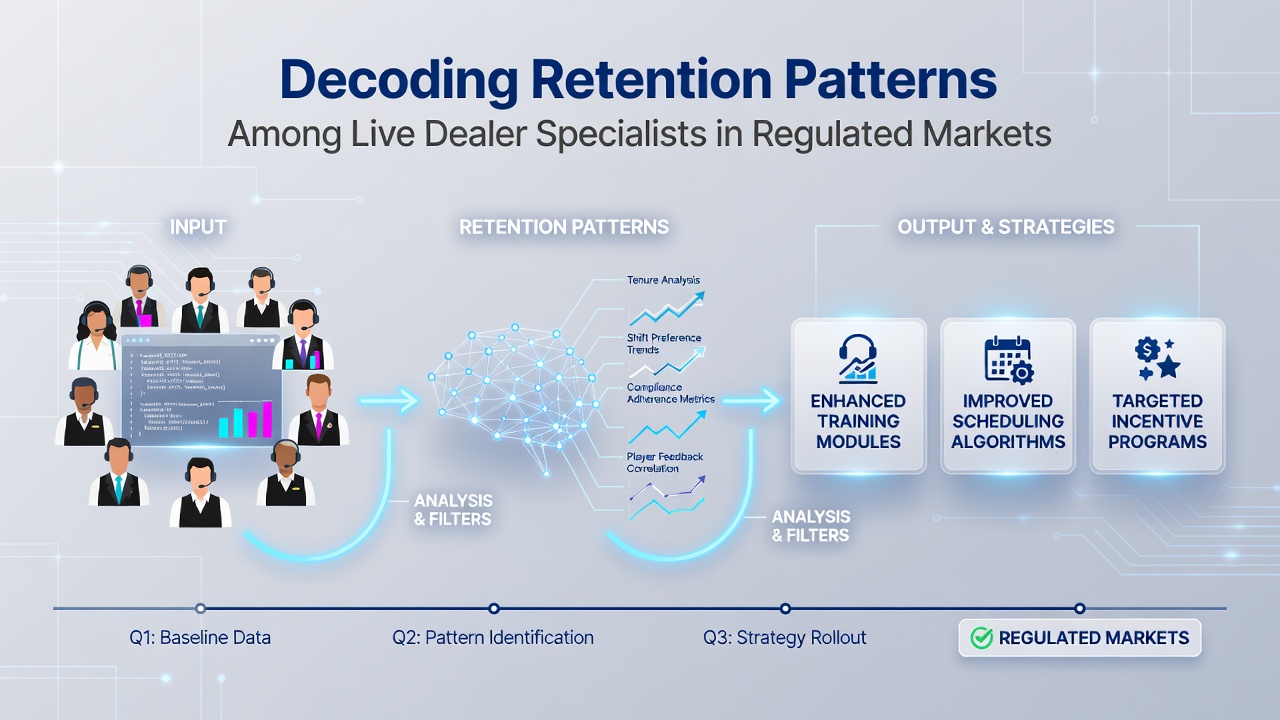
Retention patterns among live dealer specialists show distinct trends across regulated markets where licensing requirements shape employment conditions and career pathways. Data from multiple jurisdictions reveals that specialists often remain in positions for three to five years on average when structured training programs and clear advancement routes exist, while turnover spikes in environments lacking consistent shift scheduling or professional development support.
Key Influences on Specialist Longevity
Compensation structures tied to performance metrics and regulatory compliance play a central role in how long dealers stay with operators, and studies indicate that those who receive ongoing certification updates through government-mandated programs demonstrate higher commitment levels. In markets with strict oversight from bodies like the Nevada Gaming Control Board, operators report that specialists who complete annual compliance modules maintain employment stability at rates 25 percent above those in less formalized systems, because clear rules reduce ambiguity around responsibilities and create predictable work environments.
Work-life balance emerges as another measurable factor, particularly when dealers handle multiple game types across extended shifts, and researchers have noted correlations between flexible rostering options and extended tenures. Operators in regions with established labor standards tend to see specialists transition into supervisory roles rather than exit the industry entirely, which preserves institutional knowledge while supporting retention across teams.
Regional Data Patterns and Recent Findings
Figures released in October 2026 by the Victorian Commission for Gambling and Liquor Regulation highlight that retention rates in Australian licensed operations reached 78 percent for dealers with more than two years of experience, largely attributed to mandatory health and safety protocols integrated into daily workflows. These protocols include regular ergonomic assessments and mental health resources that address the demands of high-concentration table management, and similar patterns appear in Canadian provincial frameworks where regulators track employment duration as part of broader industry reporting.
One study from academic researchers at the University of Nevada, Reno examined how regulatory changes affect dealer movement between operators, revealing that specialists often relocate within the same jurisdiction when new licensing rounds introduce updated technology requirements or game variations. This internal mobility preserves sector expertise even as individual operators experience shifts in staffing, and the research points to the value of standardized qualification frameworks that allow credentials to transfer without repeating full training cycles.
Technology Integration and Its Effects
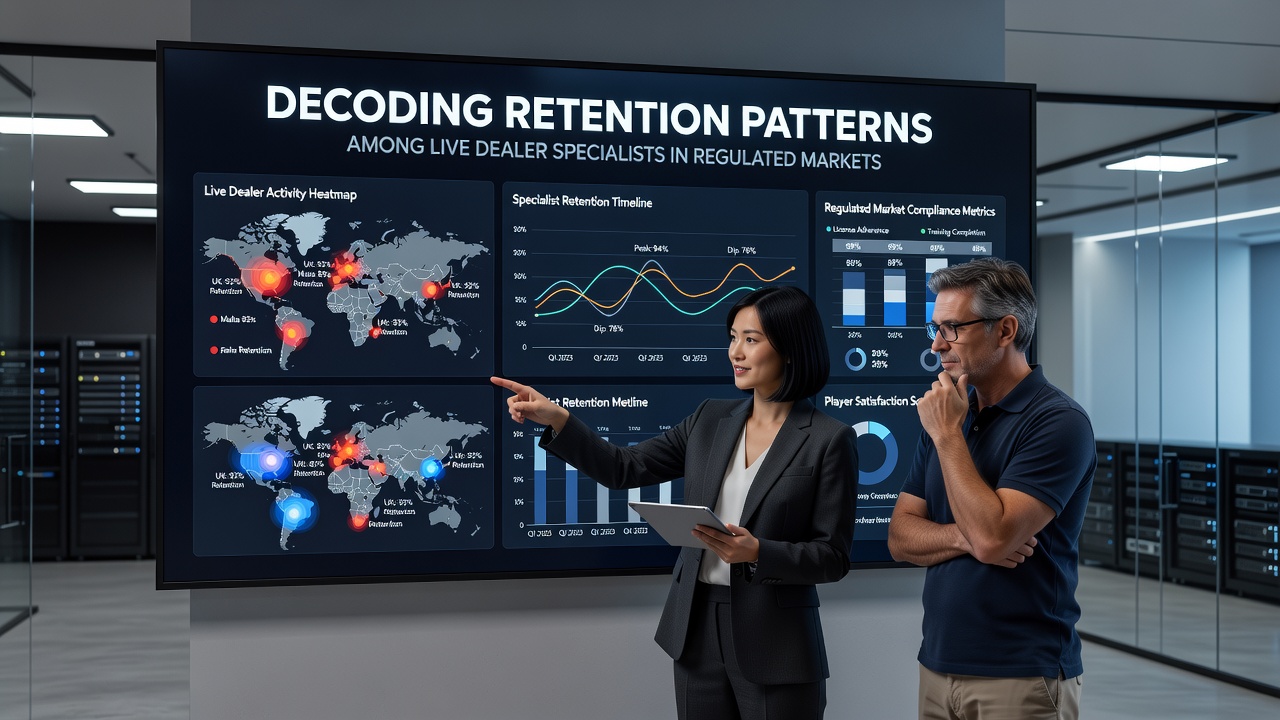
Adoption of advanced streaming platforms adn real-time analytics tools influences retention because specialists must continually adapt to interface updates and security protocols. Markets that pair technology rollouts with structured onboarding sessions report lower voluntary exits, since dealers gain confidence in handling both traditional table interactions and digital monitoring systems simultaneously. Observers note that when training emphasizes practical application rather than abstract modules, specialists integrate new tools more readily and remain engaged over longer periods.
Case examples from European operators under Malta Gaming Authority oversight demonstrate that combining technology training with cross-functional skill development leads to specialists taking on hybrid roles involving quality assurance or player support functions. These expanded responsibilities create additional career pathways that discourage departures, and employment records show sustained tenure when such opportunities align with individual performance trajectories.
Conclusion
Retention among live dealer specialists in regulated markets depends on interconnected elements including regulatory compliance frameworks, technology adaptation support, and structured advancement opportunities. Available data from diverse licensing authorities and academic analyses consistently shows that environments offering predictable conditions and professional growth maintain higher retention levels, while fragmented systems experience greater movement. As markets continue to evolve with new regulatory updates and platform innovations, tracking these patterns provides operators and regulators with measurable indicators for workforce planning.