17 Sep 2026
Mapping Career Progression for Dealers in Interactive Gaming Environments
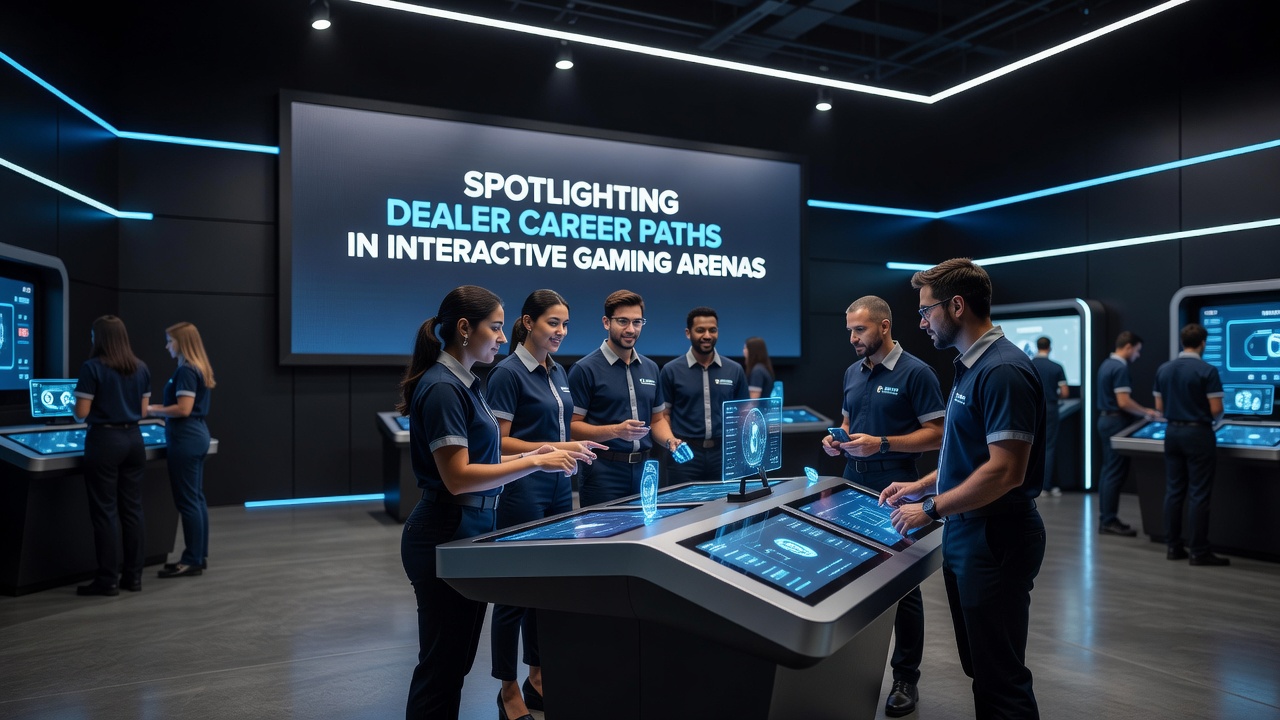
Interactive gaming arenas have expanded rapidly over the past decade, creating structured pathways for dealers who begin at entry-level positions and advance through specialized roles. Data from the American Gaming Association shows employment in digital gaming segments grew by 18 percent between 2022 and 2025, with dealer positions forming a core component of that workforce. Those who enter the field typically start as live-stream dealers handling table games such as blackjack, roulette, and baccarat while operating in controlled studio environments that broadcast to global audiences.
Initial Training Requirements and Certification Standards
Certification programs offered by state-regulated bodies establish baseline competencies before dealers receive live assignments. Observers note that programs lasting six to twelve weeks cover game rules, card handling, chip management, and software interfaces used in streaming platforms. In regions like Nevada, the Gaming Control Board mandates background checks and periodic renewals, while similar frameworks in New Jersey emphasize ongoing compliance training. Research indicates that dealers who complete accredited courses achieve higher retention rates during their first year, largely because they master both technical procedures and customer interaction protocols under real-time conditions.
Practical assessments require candidates to demonstrate accuracy at varying table speeds, maintain neutral facial expressions, and follow strict protocols for disputes or technical interruptions. Those who pass receive provisional licenses that convert to full credentials after supervised probationary periods ranging from three to six months. Industry reports highlight that multilingual ability and familiarity with multiple game variants often accelerate initial placement decisions.
Progression Routes Toward Supervisory and Specialized Positions
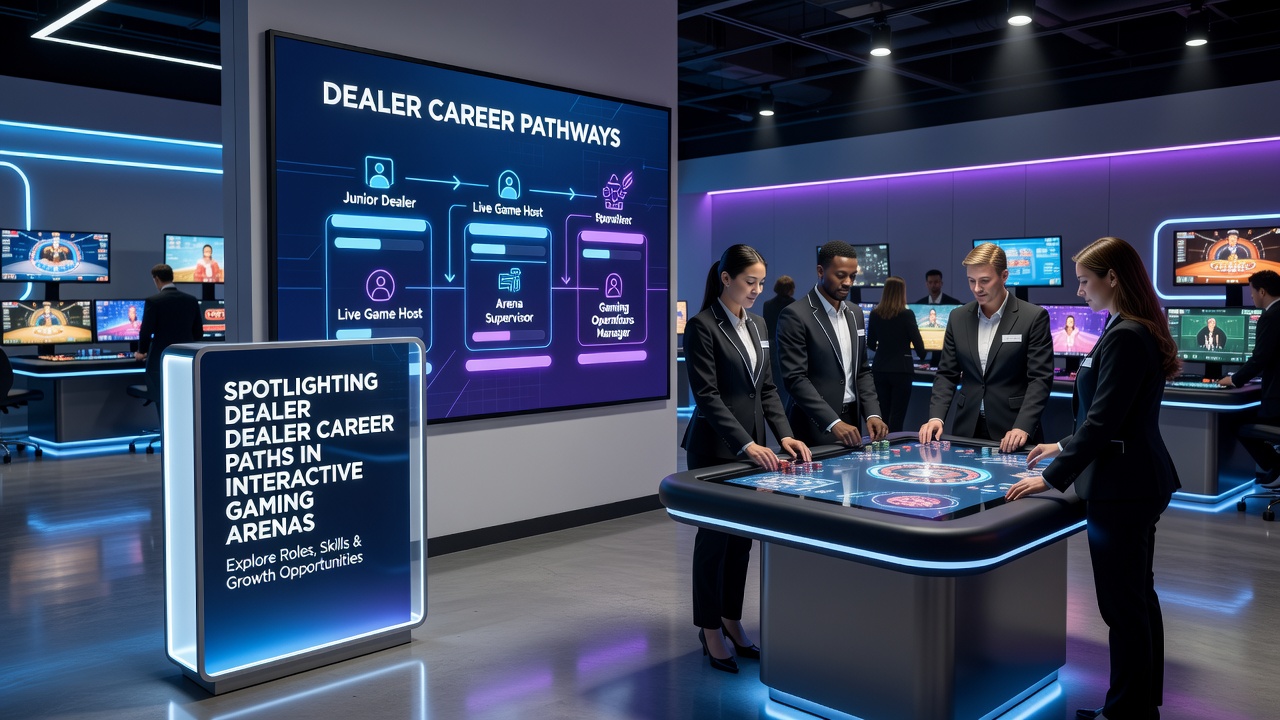
Advancement frequently begins with floor supervisor roles after two to four years of consistent performance. Supervisors monitor dealer compliance, resolve minor player queries, and coordinate shift schedules across multiple tables. Data compiled by the National Indian Gaming Commission reveals that internal promotions account for roughly 65 percent of supervisory hires in interactive divisions, suggesting operators prefer candidates already familiar with proprietary platforms.
From there, paths diverge into training coordination, game development consultation, or compliance auditing. Some dealers transition into content creation by designing new game variants or scripting promotional segments that appear during live broadcasts. Others move toward technical support positions that troubleshoot streaming delays or integrate new camera angles. Figures from the Australian Gambling Research Centre project continued demand for these hybrid skill sets through September 2026, particularly as platforms adopt augmented reality overlays that require dealers to adapt their presentation styles.
Compensation Structures and Geographic Mobility Factors
Salary benchmarks vary by jurisdiction and experience level. Entry-level dealers in regulated North American markets earn between 32,000 and 42,000 USD annually, with performance bonuses tied to table volume and positive player feedback scores. Mid-career supervisors often see compensation rise to 55,000–70,000 USD, according to aggregated industry surveys. Geographic mobility plays a significant role because studios cluster in specific hubs such as Malta, New Jersey, and British Columbia, prompting some professionals to relocate for higher-volume shifts or leadership openings.
Benefits packages commonly include health coverage, shift differentials for evening and weekend hours, and tuition assistance for advanced certifications. Those who pursue additional credentials in responsible gaming or digital security frequently qualify for cross-departmental moves into risk management or platform integrity teams.
Emerging Opportunities in Technology Integration
Interactive arenas increasingly incorporate virtual reality interfaces and AI-assisted game monitoring, opening lateral moves for dealers who develop coding literacy or data analytics skills. One study conducted at the University of Nevada, Las Vegas documented how dealers with basic programming knowledge contributed to testing new automation tools without displacing human oversight. Operators have begun offering internal workshops that combine dealer expertise with software training, creating hybrid roles focused on quality assurance for live streams.
International expansion also creates openings for dealers comfortable working across time zones. Studios serving Asian and European markets require staff available during off-peak hours in their home regions, often with premium pay rates. Regulatory updates scheduled for late 2026 in several Canadian provinces are expected to standardize cross-border licensing, potentially easing mobility for qualified professionals.
Conclusion
Career trajectories in interactive gaming arenas follow clear, regulated sequences that reward technical precision, continuous learning, and adaptability to new technologies. From initial certification through supervisory and specialized positions, dealers encounter multiple advancement channels supported by industry data and regional oversight bodies. Projections through September 2026 indicate sustained growth in these pathways as platforms evolve, offering structured opportunities for those who meet evolving compliance and skill standards.