29 Oct 2026
Patterns of Change in Specialist Retention Within Approved Digital Gaming Regions
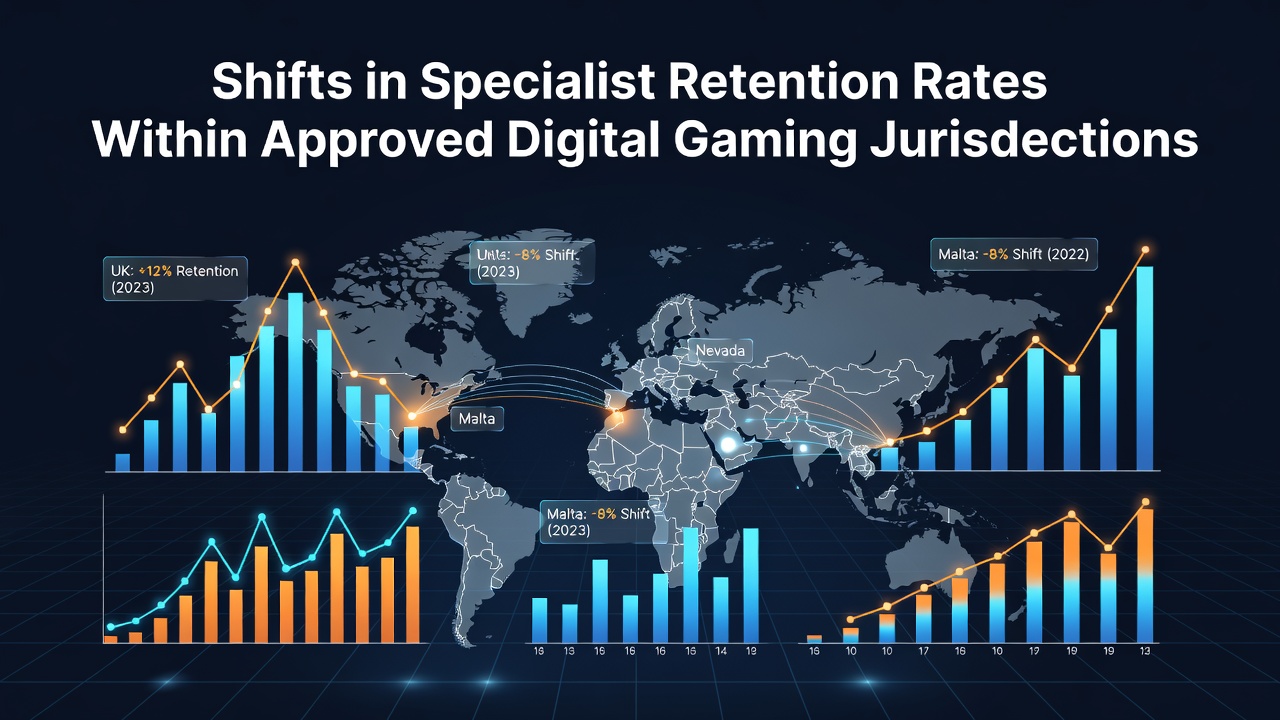
Specialist retention rates in approved digital gaming jurisdictions have undergone measurable shifts over recent years, driven by regulatory adjustments, market expansion, and evolving employment conditions. Data compiled through mid-2026 reveal variations across regions such as Malta, New Jersey, and parts of Australia, where operators and regulators track these metrics to assess workforce stability in online table games and related roles.
Key Data Points Across Jurisdictions
Regulatory filings indicate that retention rates for specialists in Malta's iGaming sector hovered around 78 percent annually through 2024, yet figures released in October 2026 by local authorities showed a modest decline to 71 percent, coinciding with increased competition from emerging European licenses. In contrast, New Jersey's Division of Gaming Enforcement reported steady rates near 82 percent during the same period, supported by consistent demand for skilled personnel in interactive platforms.
Australian state-level oversight bodies documented similar patterns, with retention climbing from 69 percent in 2023 to 75 percent by late 2025 before leveling off, according to industry association summaries. These movements reflect broader licensing expansions that opened new markets while prompting specialists to evaluate relocation options or contract terms.
Factors Influencing Retention Trends
Observers note several interconnected elements at play. Licensing reforms in multiple Caribbean and European zones altered mobility pathways, allowing specialists to transition between operators more fluidly without extended qualification processes. Economic pressures, including currency fluctuations and remote work preferences, further shaped decisions, as specialists weighed salary packages against living costs in hub locations.
Training requirements also contributed, with jurisdictions imposing updated certification standards that encouraged longer tenures once initial hurdles were cleared. One analysis from a Canadian research institute highlighted how integrated compliance programs reduced turnover by aligning specialist skills with jurisdiction-specific rules on responsible gaming protocols.
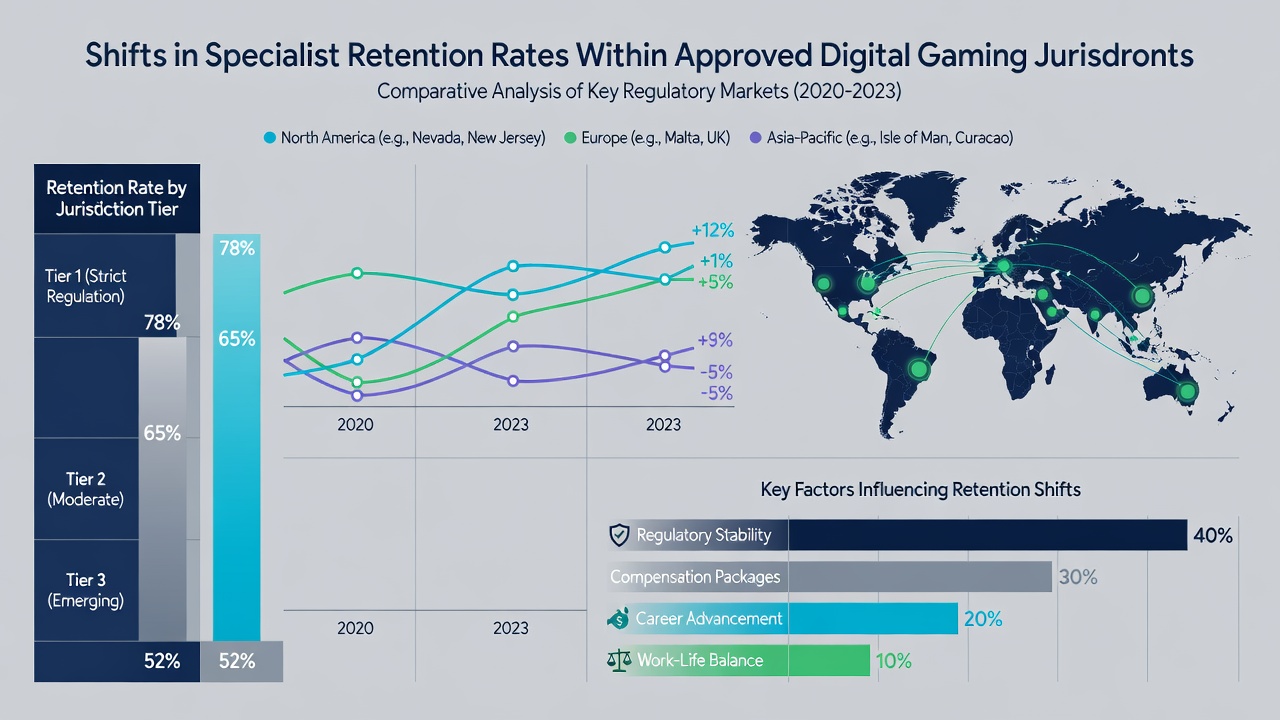
Yet retention challenges persisted in smaller markets where operator consolidation reduced available positions, prompting specialists to seek opportunities elsewhere. Government statistics from teh Netherlands Gaming Authority, for instance, linked a 6 percent retention dip in 2025 to platform mergers that streamlined staffing needs.
Regional Comparisons and Supporting Research
Comparisons across approved zones underscore geographic differences in outcomes. European hubs maintained higher baseline retention through established support networks, whereas newer Asian-Pacific entries experienced sharper initial fluctuations before stabilization occurred. A 2025 report from an academic consortium in Australia examined these disparities and attributed them partly to varying tax structures and visa policies affecting cross-border talent flows.
Industry organizations such as the European Gaming and Betting Association have compiled aggregate data showing overall retention across monitored jurisdictions averaging 74 percent in the first half of 2026. These figures incorporate inputs from both large-scale operators and boutique platforms, revealing that retention correlates strongly with access to professional development resources.
Implications for Workforce Planning
Regulatory bodies continue to monitor these shifts as part of broader market oversight. Adjustments in specialist availability influence operational continuity for digital platforms, particularly during peak seasonal periods when demand for live dealer interactions rises. Jurisdictions that introduced incentive frameworks, such as performance-based bonuses tied to retention milestones, recorded incremental improvements in workforce continuity.
By October 2026, updated datasets from multiple sources pointed to gradual convergence in retention rates as operators adopted standardized employment practices across borders. This convergence coincided with technological upgrades in training simulations that lowered entry barriers while enhancing long-term skill retention among existing staff.
Conclusion
Shifts in specialist retention rates within approved digital gaming jurisdictions continue to evolve in response to regulatory, economic, and operational variables. Figures from diverse oversight entities demonstrate that no single pattern dominates, but consistent tracking enables stakeholders to anticipate workforce needs and adapt licensing frameworks accordingly. Ongoing data collection through 2026 and beyond will clarify whether current trends stabilize or give way to new movements tied to technological or market developments.